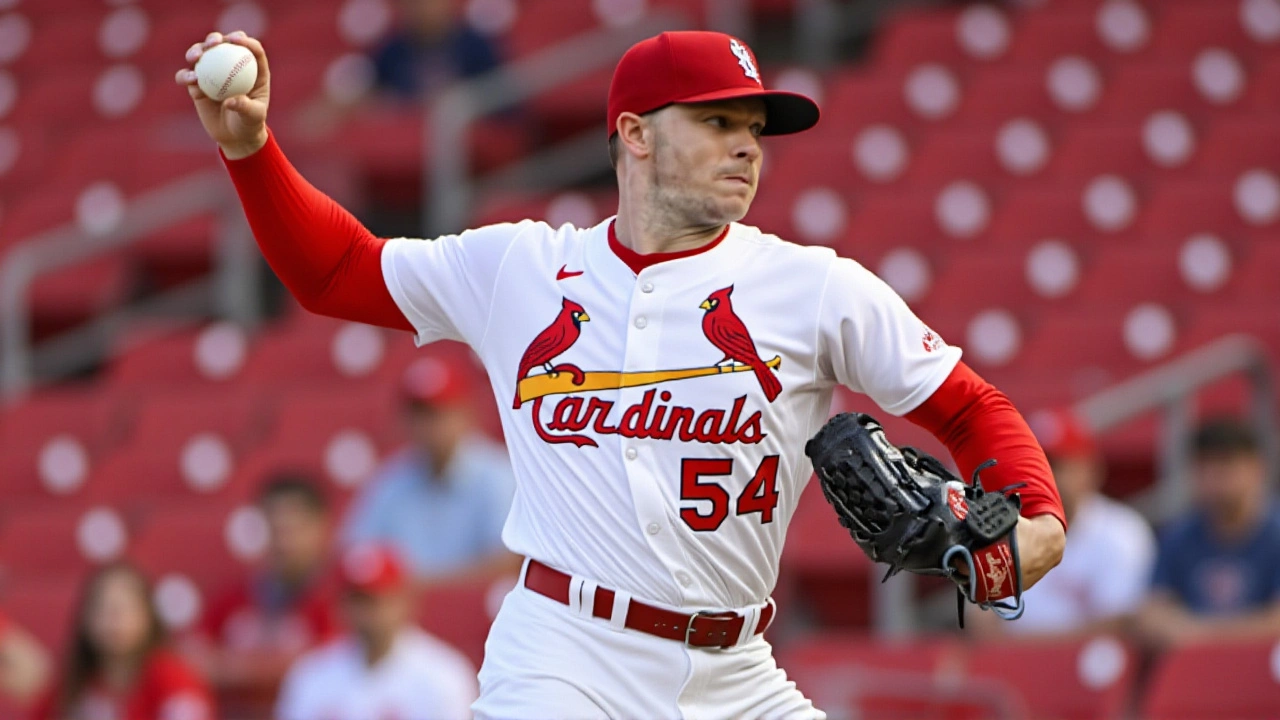
On November 25, 2025, the St. Louis Cardinals pulled off a salary-clearing maneuver that sent veteran right-hander Sonny Gray to the Boston Red Sox—not for a star prospect, but for two minor league arms and a $20 million cash infusion. The move, first reported by ESPN and confirmed by MLB.com and Sports Illustrated, wasn’t just about acquiring talent. It was about reshaping payroll, filling a rotation gap, and betting on a pitcher who’s been quietly elite despite a bloated ERA. Here’s the thing: Gray’s 2025 season was a masterpiece of control masked by bad luck. And Boston, smelling value, moved fast.
Why the Red Sox Made the Move
The Boston Red Sox didn’t just want another starter. They wanted a reliable No. 2 behind Garrett Crochet. And Gray, with his 201 strikeouts in 180.1 innings last season, fit perfectly. Together, Gray and Crochet now form one of just five MLB duos to each notch 200+ strikeouts in both 2024 and 2025. That’s elite. Not flashy, not headline-grabbing—but brutally effective.
Gray’s 2025 stats tell a story most teams overlook. His 4.28 ERA? Misleading. His FIP (Fielding Independent Pitching) was a stellar 3.39. His walk rate? A career-best 5%, half what it was in Cincinnati. His strikeout-to-walk ratio? 5.29—the fourth-best among all qualified starters. Only Paul Skenes, Jacob deGrom, and two others were better. That’s not a fluke. That’s command.
But here’s the twist: his four-seam fastball got crushed. Batters hit .370 against it, slugging .585. That’s a red flag. But Boston’s pitching staff, under Craig Breslow, believes they can fix it. A change in pitch sequencing, a tweak in arm angle, maybe even a new catcher calling games—Boston’s analytics team thinks they can turn Gray’s biggest weakness into a non-issue.
The Cardinals’ Calculated Retreat
The St. Louis Cardinals didn’t trade Gray because he was declining. They traded him because he was expensive—and they needed to reset. Gray was due $35 million in 2026. By sending $20 million to Boston, they cut their liability nearly in half. Smart. Cold. Business.
In return? Two pitching prospects: left-hander Brandon Clarke and right-hander Richard Fitts. Neither is in Baseball America’s top 100. Neither is a future ace. But both have high ceilings and low risk. Clarke throws a sharp slider with a 70-grade command rating, per The Cardinal Nation. Fitts, a former second-round pick, sits 96 mph with a devastating splitter. Neither is a savior. But they’re building blocks.
“We didn’t land a top 100 prospect,” admitted Sports Illustrated’s trade grade analysis. “And we didn’t pry away Payton Tolle or Kyson Witherspoon.” That’s the cost of cash dumping. The Cardinals got payroll relief. They got depth. But they didn’t get a franchise-altering return. And that’s the trade-off.
The Contract Re-Negotiation That Changed Everything
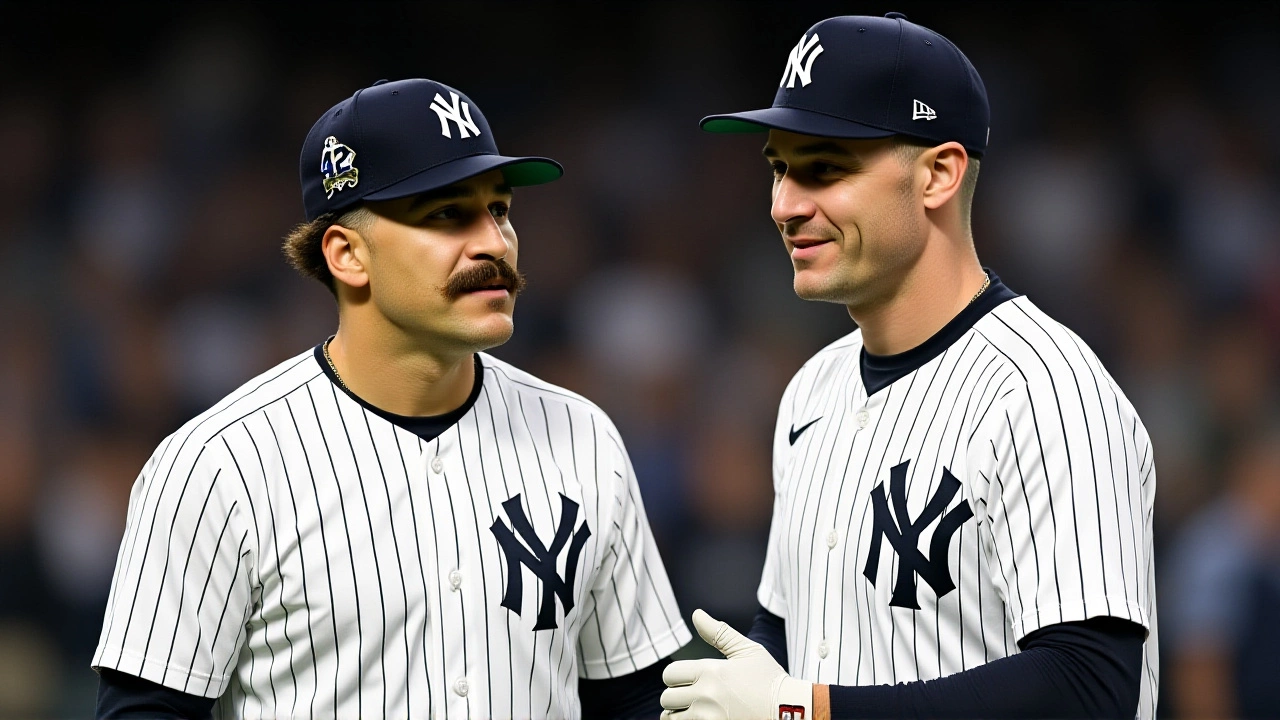
Here’s where it gets really interesting. After the trade was announced, Gray and the Red Sox quietly sat down—and restructured his deal. The original contract had a $30 million mutual option for 2027 with a $5 million buyout. Now? The option stays, but the buyout jumps to $10 million. And Gray’s 2026 salary? Dropped from $35 million to $31 million. Boston saved $4 million upfront. Gray got a $5 million safety net if he’s cut after 2026. It’s a win-win.
Why? Because Gray, at 36, isn’t looking for a max deal. He’s looking for stability. And Boston? They’re betting he can still pitch like a top-10 starter in 2026. Baseball Prospectus ranked him 11th among starting pitchers in value last season. That’s not a mistake. That’s a signal.
What This Means for the 2026 Season
With Gray in the fold, the Red Sox rotation now looks like this: Garrett Crochet (2025: 212 Ks), Sonny Gray (2025: 201 Ks), Chris Sale (returning from injury), Brayan Bello, and Lucas Giolito. That’s a top-five rotation in the American League. And for the first time since 2018, Boston enters a season with real postseason depth.
For St. Louis? They’re rebuilding with a focus on youth. Their 2026 payroll is now $18 million lower than projected. They’ve got Clarke, Fitts, and a few more arms in the pipeline. The goal isn’t to win now. It’s to win in 2028. And sometimes, that means letting a 36-year-old ace walk—with $20 million in your pocket.
What’s Next?
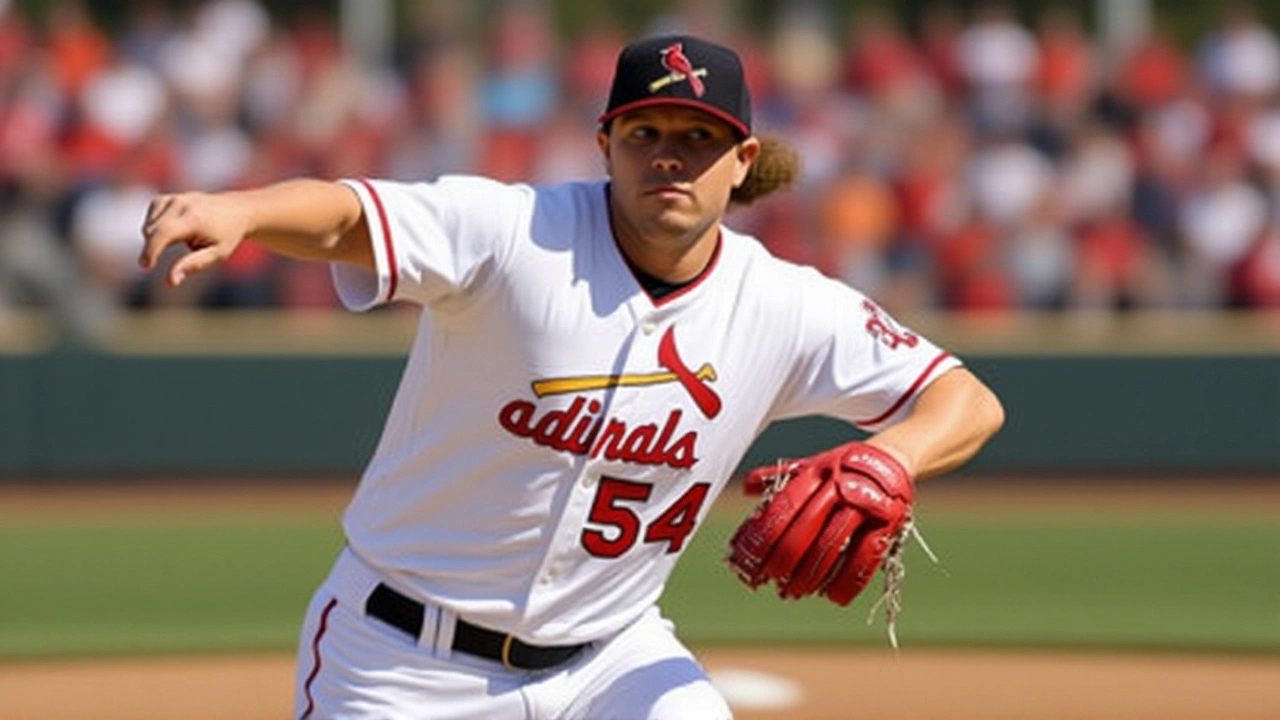
Gray’s first spring training with Boston will be watched closely. Can he fix that fastball? Will his mechanics hold up over 180+ innings again? And how will he respond to Fenway’s quirky dimensions?
For the Cardinals, the next move is clear: trade another veteran. Adam Wainwright’s successor? Maybe it’s Andre Pallante or JoJo Romero. Either way, the rebuild is accelerating.
And for fans? This trade isn’t about glory. It’s about patience. Boston bought a proven arm. St. Louis bought time. Both sides knew what they were getting into.
Frequently Asked Questions
How does this trade affect the Red Sox’s chances in the 2026 playoffs?
With Sonny Gray joining Garrett Crochet, Boston now has two pitchers who each struck out over 200 batters in both 2024 and 2025—a rarity in MLB. That duo gives them elite postseason firepower, especially in short series where dominance matters more than volume. Their rotation depth, now ranked among the top five in baseball, significantly boosts their odds of advancing past the ALDS.
Why did the Cardinals include $20 million in cash?
The Cardinals were on the hook for $35 million in 2026 salary for Sonny Gray. By paying $20 million to Boston, they reduced their financial burden by over half while still acquiring two promising pitching prospects. It was a strategic payroll reset, not a fire sale—allowing them to invest in younger arms without sacrificing future flexibility.
Is Sonny Gray still effective despite his 4.28 ERA in 2025?
Yes. His 4.28 ERA was inflated by bad luck and a weak four-seam fastball that batters crushed. His FIP (3.39) and 5.29 K/BB ratio (fourth-best in MLB) show he was one of the most dominant pitchers in terms of control and strikeout ability. He’s a classic case of a pitcher who outperformed his surface stats.
What are Brandon Clarke and Richard Fitts like as prospects?
Clarke, a left-hander, has a sharp slider and elite command, but his fastball sits mid-90s and lacks elite velocity. Fitts throws harder—96 mph with a splitter that looks like a changeup. Neither is a top-100 prospect, but both have high upside as middle relievers or back-end starters. They’re depth pieces, not immediate solutions.
Could Sonny Gray’s contract be a bust for the Red Sox?
It’s possible, but unlikely. Gray’s 2025 performance suggests he’s still a top-tier starter when healthy. The $31 million salary is fair for a 36-year-old with his track record. The $10 million buyout gives Boston flexibility—if he declines, they can cut ties with minimal loss. The risk is low, and the reward—elite strikeout power behind Crochet—is high.
How does this trade compare to past Red Sox pitching moves?
Unlike the 2016 trade for David Price, which involved top prospects and massive money, this is a low-risk, high-reward move similar to their 2020 acquisition of Martin Perez—acquiring a veteran with elite control at a discount. Boston’s front office, under Craig Breslow, is embracing value over hype, making this one of their smartest moves in years.